Scientific Language and Language of Animacy
To promote mathematical terminology learning in my future classrooms, I would plaster the walls with relevant mathematical vocabulary learned throughout the year. As a project, students can create math posters with their interpretations of the word being used and the “proper” definition. I would encourage students to use proper scientific and mathematical language in the classrooms to practice speaking academic language. A few ways to Indigenize my classroom: (i) acknowledge my role as an educator to be historically problematic and (ii) address the trauma that colonization, poverty, racism and other forms of oppression can do to marginalized students. Historically in Canada, teachers specifically in residential schools, have been responsible for harsh atrocities performed on Indigenous children by assimilating them into Eurocentrism. It is important to recognize that educational and systemic change begins with changing from the traditional teaching style to a multicultural education style. When Indigenizing the classroom, it is also important to address different forms of oppression marginalized students face when leaving their home country to Canada. These students may have difficulty adjusting to new life in Canada, and it is important that I help their transition as smoothly as possible.
The Potawatomi language have beautiful groups of sounds that, when spoken, mimics the sound of nature features. Unlike European languages, Potawatomi words are animate and inanimate, meaning that definitions of their words changes. For example, it is mentioned that the word “bay” is noun if the water is dead as it is defined by humans as being trapped between shores and contained by the word. Their words describe life pulsing through all things from apples to zephyr. From this leading into indigenizing the classroom, one way can be to open up barriers and encourage students to have conversations with each other in languages most comfortable to them. This offers a chance for them to feel more at home.
Paper:
Kimmerer, R. 2014.
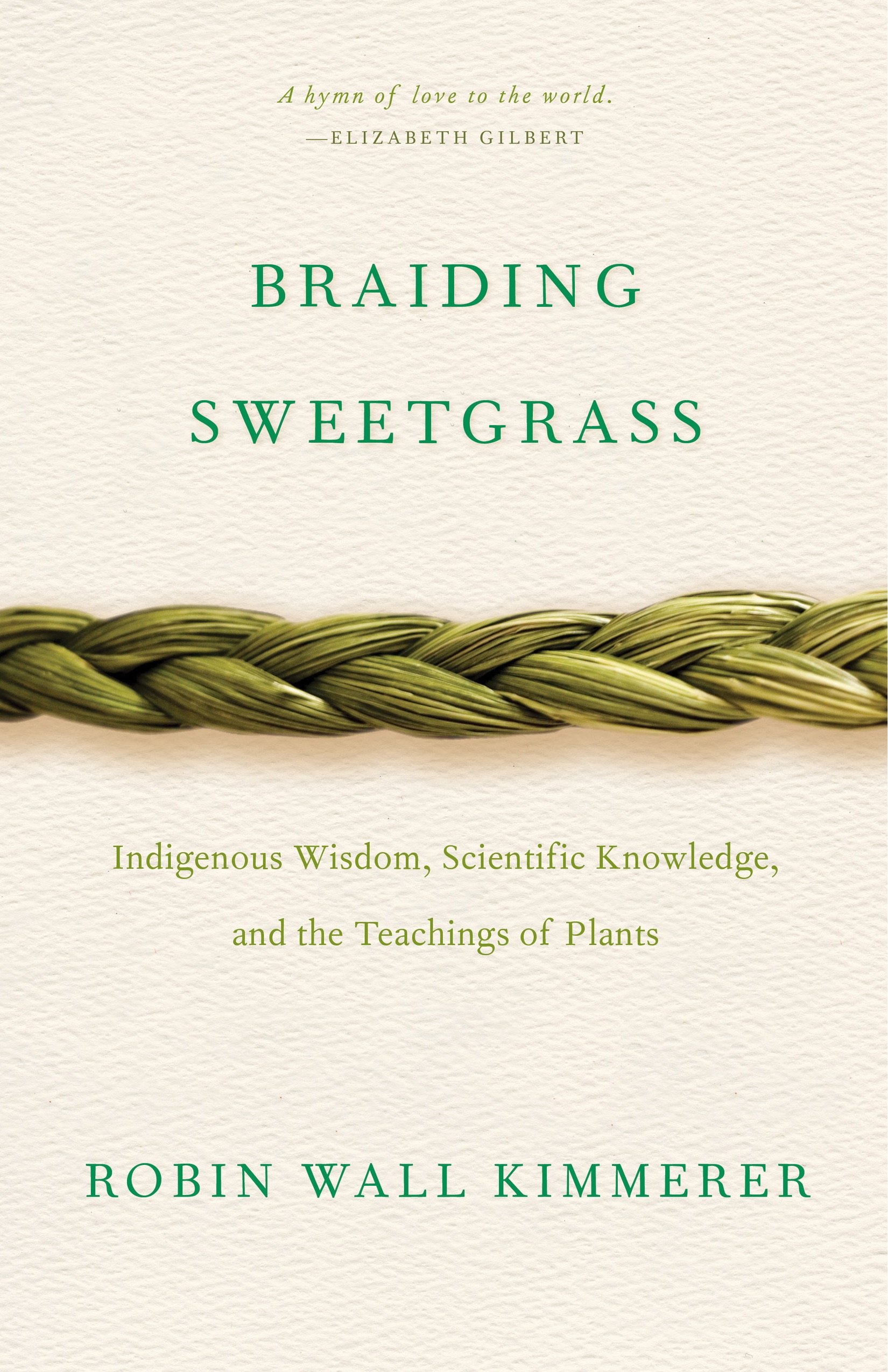
Braiding Sweetgrass: Indigenous Wisdom, Scientific Knowledge and the Teachings
of Plants. Milkweed Editions. Pp. 48-59.


Good points here, but I think you have avoided talking at all about Wall Kimmerer's ideas about the language of animacy. Good thoughts about teaching standard mathematical terminology, and about actively acknowledging past injustices -- but how might you begin to Indigenize your secondary math class?
ReplyDelete